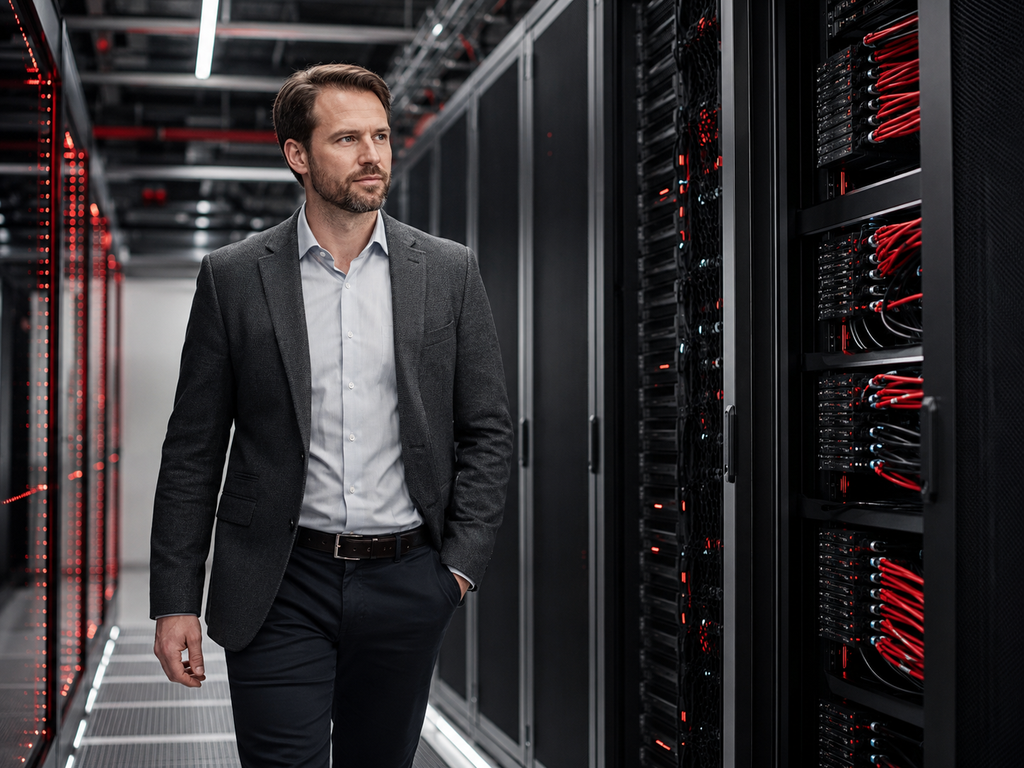
AI servers are quickly becoming one of the most important hardware categories in global IT procurement.

AI Servers Are Becoming the Next Big Hardware Race
AI servers are becoming one of the most important hardware categories in global IT procurement. This article explains what an AI server is, why demand is growing, and why companies need to plan sourcing, cost, shipping, customs, and delivery before supply gets tight.


AI Servers Are Becoming the Next Big Hardware Race
By Daniela
GET ACCESS TO A CUSTOMIZED SUPPLY CHAIN FOR YOUR TECH EQUIPMENT
Check out our exclusive offers and updates!
For years, many companies thought about servers in a familiar way: business applications, databases, storage, websites, office systems, and internal tools. That has changed. AI is creating a new level of demand for high-performance server hardware, especially systems built around GPUs, accelerators, fast memory, high-speed networking, advanced cooling, and large-scale data processing.
This is not only a technology trend. It is becoming a hardware supply race.
Companies that want to use AI need the physical infrastructure behind it. Cloud providers need massive server capacity. Data centers need more power-dense systems. Manufacturers need faster ways to build and test AI server hardware. Buyers need to understand why availability, price, configuration, and delivery can become more difficult as demand grows.
A recent Nikkei Asia report on Taiwanese companies using AI to make AI servers points to a bigger shift: AI is not only changing software. It is changing how critical hardware is designed, produced, sourced, and delivered.
What is an AI server?
An AI server is a high-performance server built to support artificial intelligence workloads.
Traditional servers usually depend heavily on CPUs. AI servers often use GPUs or other AI accelerators because AI workloads require large amounts of parallel processing. In simple terms, a CPU is strong at handling many general tasks, while a GPU is strong at handling many calculations at the same time.
That difference matters for AI.
AI models need huge amounts of compute power to process data, train models, run inference, support real-time predictions, generate content, or power AI applications. NVIDIA explains that GPU-accelerated computing helps speed up demanding workloads by using GPUs alongside CPUs. That is one reason GPU-based servers have become so important in the AI infrastructure market.
An AI server may include high-performance CPUs, multiple GPUs, large memory capacity, fast NVMe storage, high-speed networking, and stronger cooling than a standard business server. The exact configuration depends on the use case, but the direction is clear: AI servers are built for heavier workloads than normal office or business application servers.
Why AI servers are different from standard servers
The difference is not only that AI servers are more powerful.
AI servers are more configuration-sensitive. The GPU type, memory, storage, networking, power requirements, and cooling design can affect what the server can actually do. A system used for AI training may need different hardware from one used mainly for AI inference. A server used in a large data center may have different requirements from a server used by a company building its own internal AI tools.
This makes procurement more complicated.
A company cannot simply ask for “a powerful server” and assume it will work. It may need a GPU server with specific accelerators, a certain amount of GPU memory, fast interconnects, enough storage throughput, and compatibility with the software environment the technical team plans to use.
This is why major server manufacturers are putting more attention on AI-ready systems. Supermicro, for example, has a dedicated AI and GPU systems category. Dell also presents AI infrastructure as a specific hardware and services area, and HPE has its own AI infrastructure offering for companies building AI environments.
These are not generic server categories anymore. They are becoming a specialized part of the hardware market.
Get AI Servers delivered to your doorstep
Why demand is growing so fast
AI adoption is creating demand at several levels at the same time.
Large cloud providers need AI servers to support customers building and running AI models. Data centers need more AI infrastructure to support higher compute density. Enterprises are starting to explore private AI infrastructure because they want more control over data, cost, and performance. Manufacturers are investing in AI server production because demand is moving faster than many traditional hardware cycles.
TrendForce has reported strong procurement activity around rack-scale AI servers from major North American cloud service providers, especially for systems connected to NVIDIA’s newer platforms. That matters because large buyers can absorb a significant share of available supply, making planning harder for smaller companies or regional buyers.
For companies outside the largest cloud and hyperscale groups, the risk is simple: when demand rises quickly, supply becomes harder to predict. Lead times can change. Prices can move. Certain configurations can become difficult to find. Regional availability may vary. The hardware may exist somewhere, but not in the country or channel where the buyer normally purchases.
That is where AI servers become a procurement issue, not just a technical issue.
AI servers affect the whole hardware supply chain
AI servers are not just one box with a GPU inside.
They depend on a wider hardware ecosystem: GPUs, CPUs, memory, storage, networking, power supplies, cooling systems, racks, cables, and supporting infrastructure. If one part is constrained, the full system can be delayed.
This makes AI server procurement more sensitive than many standard IT purchases. A buyer may find a server chassis but not the right GPU. They may find GPUs but not the preferred configuration. They may find a complete system but face a long delivery window. They may find available stock in another country but still need to solve export, shipping, customs, and final delivery.
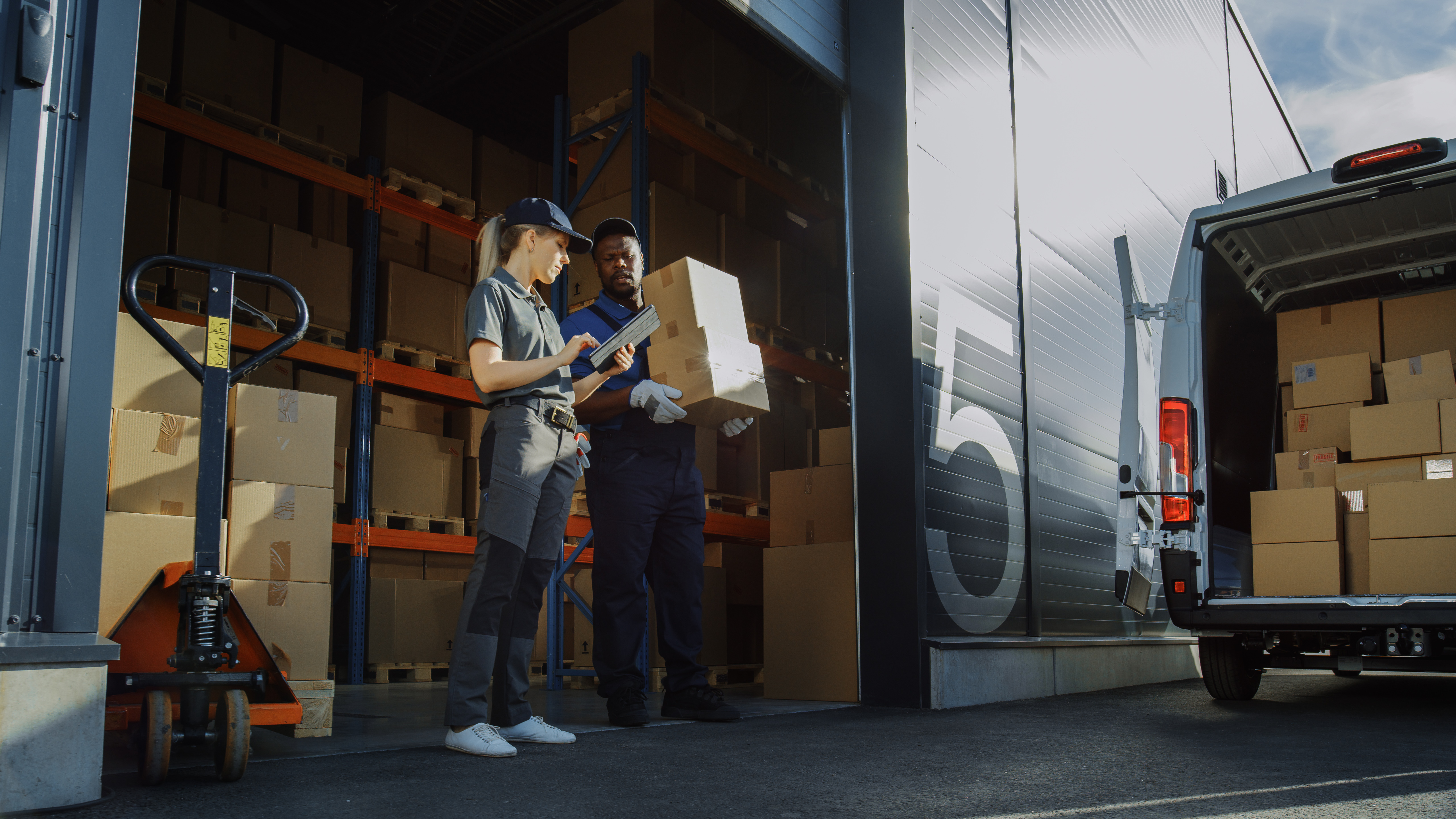
The supply chain also changes because AI servers are high-value, heavy, and sensitive equipment. They require careful handling, correct documentation, and a clear delivery path. A mistake in the hardware description, shipment documents, or import process can delay the equipment before it reaches the site.
For AI projects, those delays matter. Teams may be waiting to launch a new platform, expand compute capacity, test internal AI tools, or support customer demand. The hardware becomes part of the business timeline.
Why buyers should pay attention now
Many companies are still early in their AI infrastructure planning. Some are using cloud platforms. Some are testing AI tools internally. Some are planning private infrastructure. Some are not ready to buy AI servers yet, but they are already discussing whether they will need them.
That is exactly why this topic matters now.
By the time a company urgently needs AI server hardware, the market may already be tighter, the preferred configuration may be harder to find, and the best cost options may require a wider search across global suppliers.
The companies that prepare earlier will be in a stronger position. They will understand what kind of AI server they need, what brands and configurations are acceptable, what budget range is realistic, and what delivery route is possible.
They will also understand that the server price is only part of the decision. Availability, lead time, shipping, customs, warranty, installation needs, and future scalability all matter.
AI server procurement is not something to treat as a last-minute purchase.
The risk of waiting until the project is urgent
When AI server buying becomes urgent, the options narrow quickly.
The company may be forced to accept whatever is available. The price may be higher because there is less time to compare. The preferred supplier may not have stock. The technical team may need to approve a substitute under pressure. The equipment may be in another country, which adds shipping and customs work to an already tight timeline.
This is the same pattern seen in other high-demand hardware categories, but AI servers make the problem bigger because the equipment is more specialized and more expensive.
A delayed laptop order is inconvenient. A delayed firewall can block a site. But a delayed AI server can stop a major internal project, data center expansion, research plan, or customer-facing AI service.
That is why companies should start treating AI servers as a strategic hardware category, not just another line item in IT procurement.
What companies should understand before buying AI servers
Before buying AI servers, companies should first understand the purpose of the hardware.
Is the server for training, inference, testing, internal AI tools, customer-facing applications, or data center expansion? Will the workload need one GPU or several? Does the team need NVIDIA GPUs, AMD accelerators, or another approved platform? How much memory and storage will be required? Will the server sit in an existing data center, a colocation facility, or a new site?
These questions affect the hardware choice.
Companies should also think about sourcing early. AI servers can involve long lead times, changing prices, and limited availability. A single supplier or one local market may not show the full picture. Comparing global options can help buyers understand what is available, what can move quickly, and what the real total cost may be.
Finally, companies should plan delivery before placing the order. AI server hardware may need careful shipping, customs preparation, and final delivery coordination. If these steps are handled too late, the project can slow down even after the hardware has been found.
Dragon Sino your one partner for the entire hardware lifecycle
As AI servers become a more important hardware category, companies will need trusted suppliers who can support the full procurement path.
Dragon Sino helps companies source hard-to-find IT hardware, compare global options, and move equipment door to door with customs handled along the way. For AI servers, that means helping buyers look beyond one local market, review available sourcing options, and plan the delivery path before hardware becomes a project delay.
FAQ
What is an AI server?
An AI server is a high-performance server built to support artificial intelligence workloads. It usually includes powerful CPUs, GPUs or AI accelerators, large memory capacity, fast storage, high-speed networking, and stronger cooling than a standard server.
Why are AI servers important?
AI servers are important because AI models require heavy compute power. Companies use AI servers for training models, running inference, testing AI applications, supporting internal AI tools, and expanding data center compute capacity.
How is an AI server different from a normal server?
A normal server often runs business applications, databases, websites, or office systems. An AI server is built for heavier compute workloads and often depends on GPUs or accelerators that can process many calculations at the same time.
Why are AI servers becoming harder to source?
AI server demand is growing because cloud providers, data centers, enterprises, and AI companies all need more compute capacity. As demand increases, certain GPUs, server configurations, and delivery timelines can become harder to secure.
What should companies check before buying AI servers?
Companies should check the workload type, GPU or accelerator needs, memory, storage, networking, power, cooling, warranty, availability, lead time, total cost, shipping route, customs requirements, and final delivery plan.
Can Dragon Sino help source AI servers?
Yes. Dragon Sino can help companies source AI servers and related IT hardware, compare global sourcing options, and manage door-to-door delivery with customs handled along the way.
Get the right equipment delivered to your doorstep
Planning AI infrastructure or looking for AI server hardware?
Send Dragon Sino your hardware request. We will help source it, compare global options, and deliver it to your door.
This article was drafted with AI support and reviewed by the Dragon Sino team for accuracy, clarity, and relevance.
Share Article
Move IT equipment door to door ANYWHERE ANYTIME
Dragon Sino helps IT companies, SD-WAN providers, and data centers move equipment worldwide. With DDP, EOR, and IOR services, we handle customs and logistics for smooth, delay-free deliveries.